
Binance Case Study
This project redesigns Binance’s information architecture and Portfolio experience to better support users from beginners to experienced traders. The goal is to reduce cognitive overload while preserving advanced functionality and creating a clear, intuitive progression as users grow in confidence.
The Problem
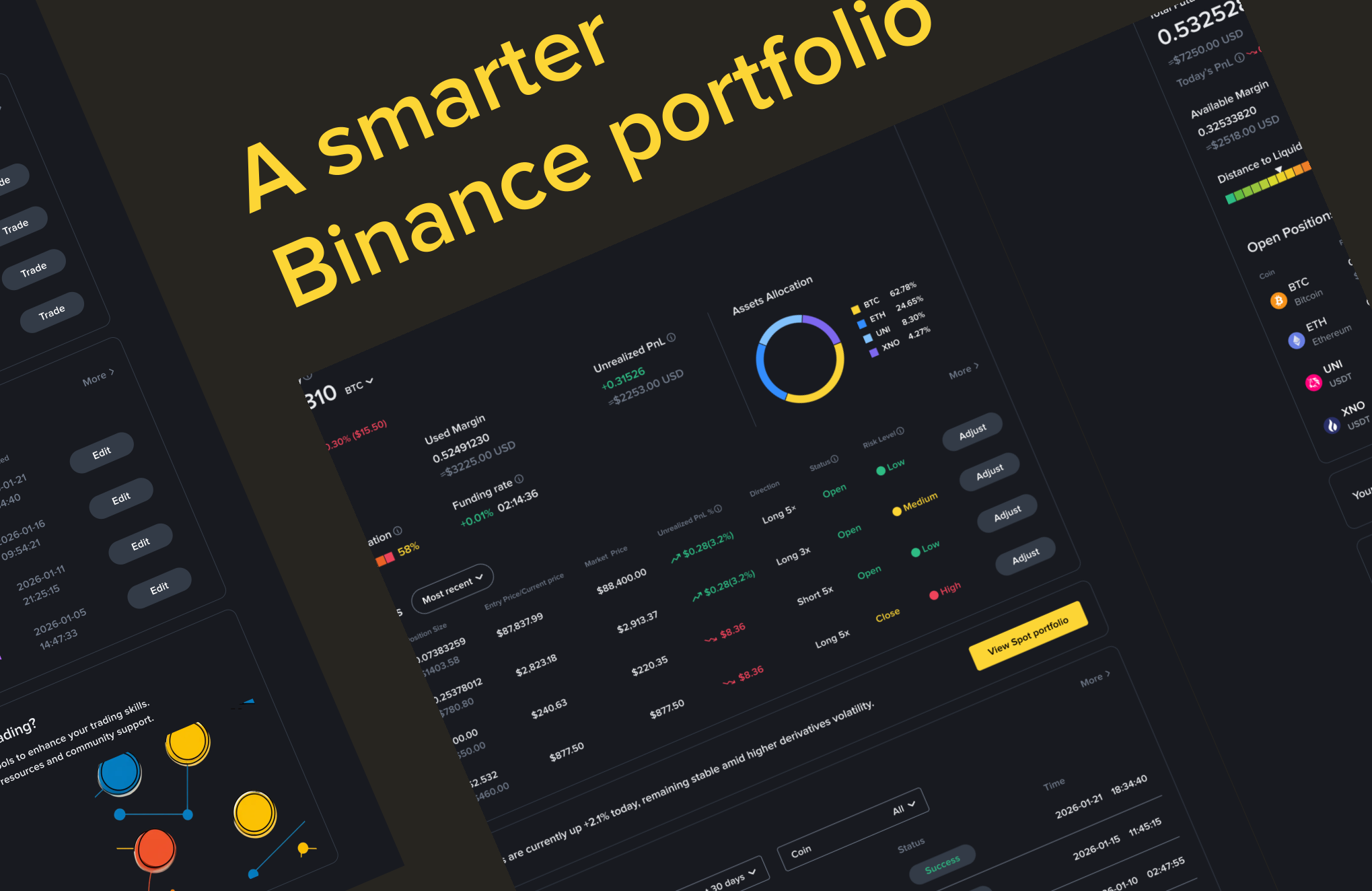
Binance’s interface is complex, and the Portfolio acts as the central hub for understanding finances across products. While it displays balances for spot, margin, and futures, it does not clearly support the progression from simple investing to more advanced trading. As a result, many users struggle to interpret their financial position and determine their next steps on the platform.
01 Research
Research Method
To identify user pain points in Binance’s Portfolio, I conducted user interviews and reviewed online feedback:
User Interviews: Five one-on-one sessions where participants shared how they track balances, assess exposure, and make trading decisions, highlighting challenges in understanding their finances.
Online Review Analysis: Examined forums, Reddit threads, and product reviews to validate recurring frustrations across a broader user base.
Personas & Behavioral Patterns
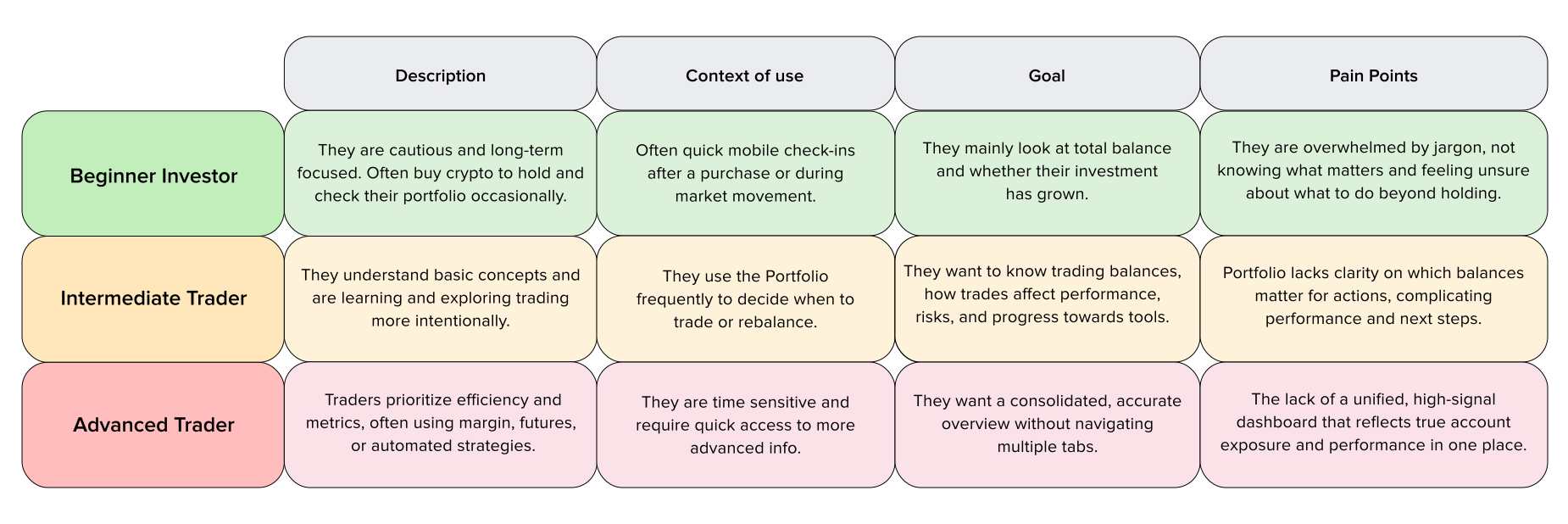
The research revealed key differences in goals, mental models, and navigation across skill levels, leading to three main user personas: Beginner, Intermediate and Advanced.
Key Pain Points
- Limited Performance Overview:
Without a unified view, users often calculate performance themselves or rely on external tools. - Fragmented Financial View:
Separated balances make it hard to see overall financial health. - Limited Guidance for Progression:
The platform offers little support for moving from spot trading to more advanced strategies. - Performance metrics are not obviouss:
Key metrics are not easy to find or interpret, creating confusion for users.
02 Organinze
Information sorting
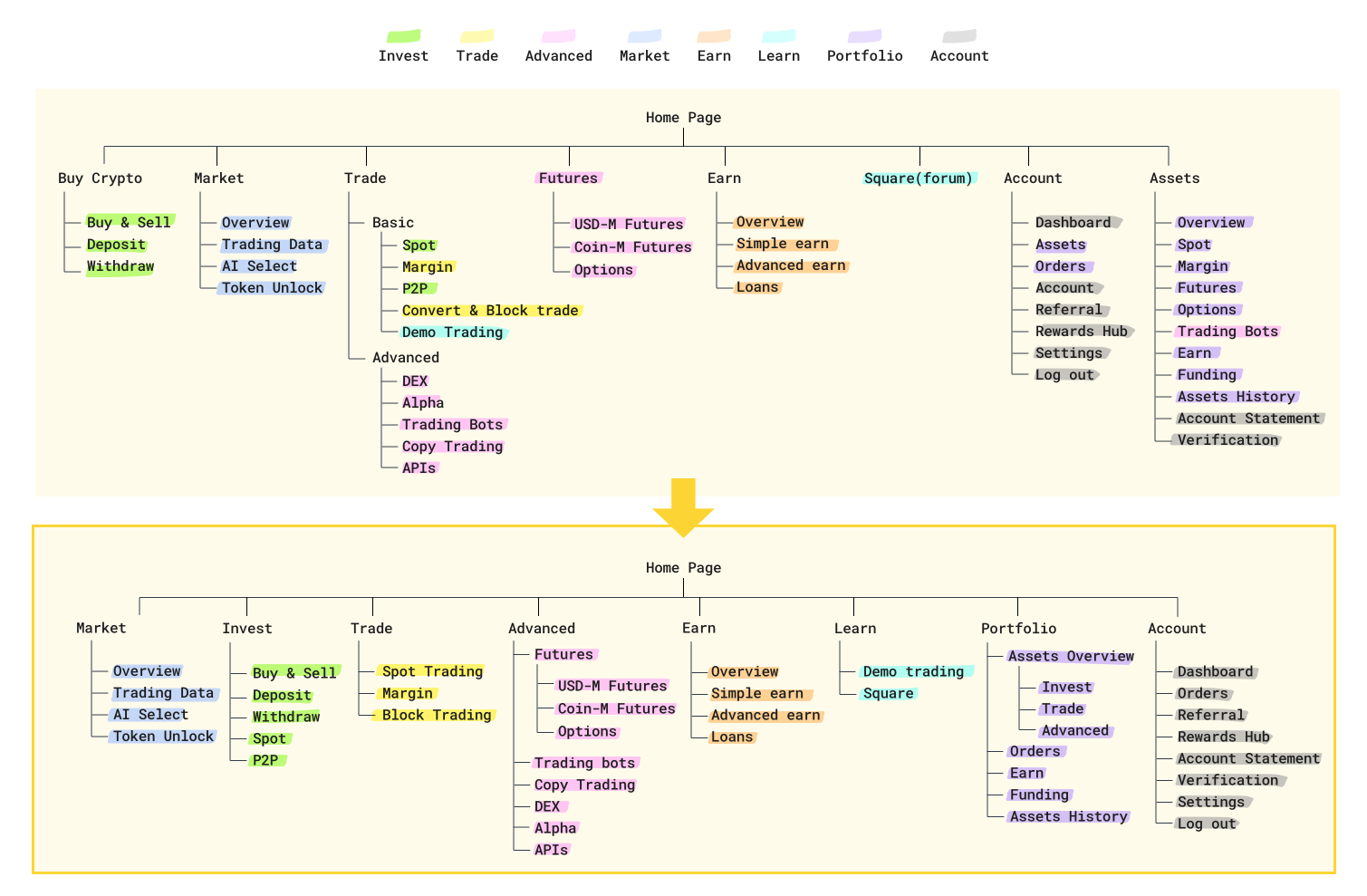
To better understand the Portfolio experience, I conducted an information sorting exercise on the Binance sitemap, organizing pages by user intent and experience level. Key pain points it reveals:
- Pages for different skill levels shared the same hierarchy.
- Advanced terms appeared too early, overloading beginners.
- User intent (buy, hold, trade, learn) was not clearly reflected in navigation.
Restructure Sitemap
Using the labeled sitemap as a foundation, I reorganized pages based on user intent, experience level, and traders’ mental models. By elevating beginner-friendly actions and moved advanced features into deeper layers, we created a cleaner, calmer navigation that introduces complexity gradually without limiting functionality.
03 Strategy
Design Goals
The goal is to redesign Binance’s Portfolio to give a clear, unified financial view, reduce beginner cognitive load, support advanced traders, and guide users from beginner to advanced trading.
Key UX strategy
- Progressive Complexity:
Complexity is revealed only as users explore, preventing accidental exposure to advanced features. - User Mental Model:
Pages are organized by intent—beginners invest and hold, intermediates explore trading, advanced users seek control and detailed metrics. - Natural Progression:
Clear CTAs, contextual tooltips, and guided exploration help users progress smoothly without having to “switch modes.”
04 Design
First Entry
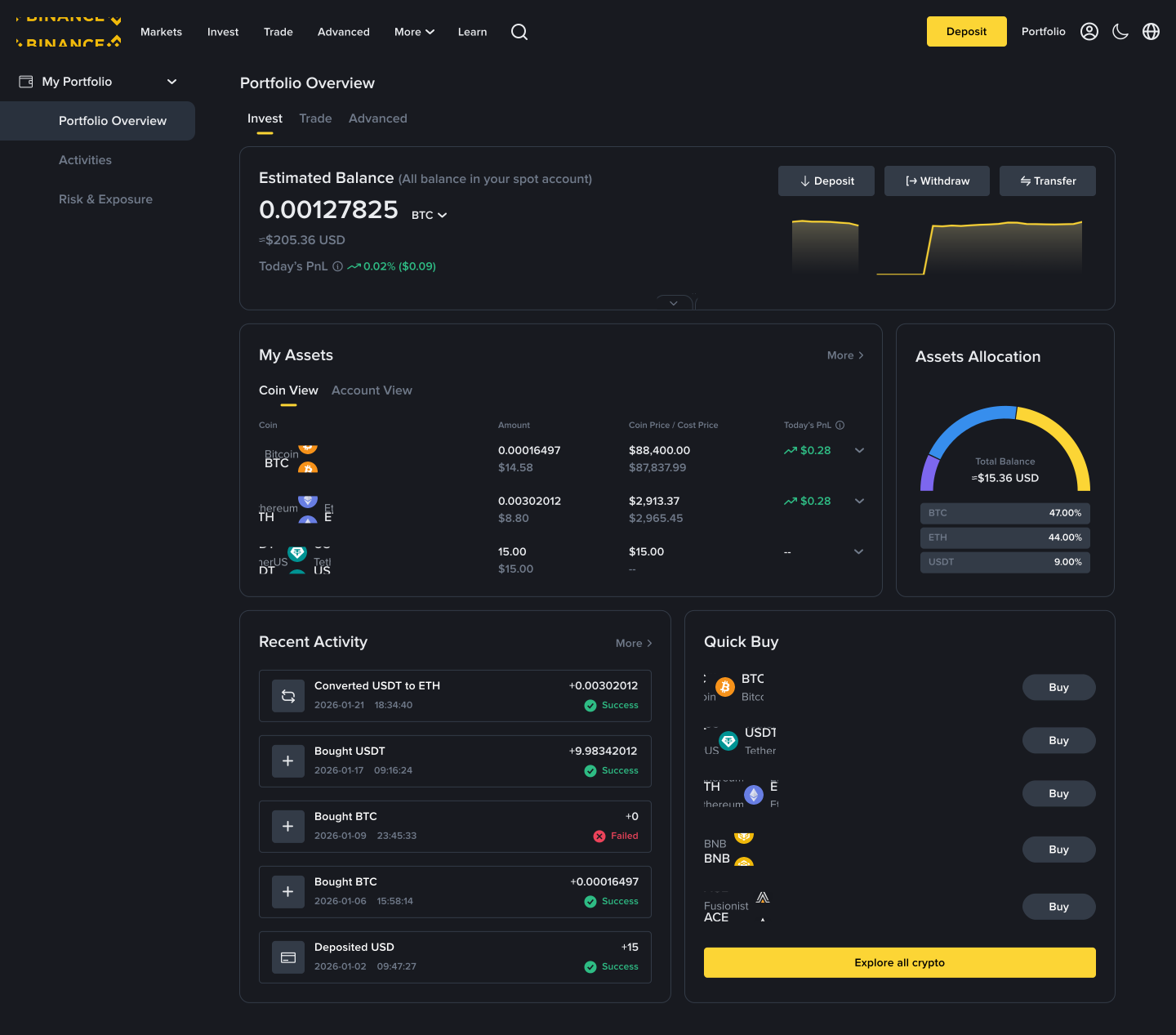
When users land on a $0 balance Portfolio, they see a clean, simplified view with primary CTAs, contextual learning links, and light embedded education. This makes the page an entry point while gradually introducing trading and advanced options.
The First Intent: Invest
Mental model: “What I own right now.”
This view focuses on clarity and simplicity. It is designed for clarity, avoids advanced terminology and provides a stable snapshot for beginners and long-term holders.
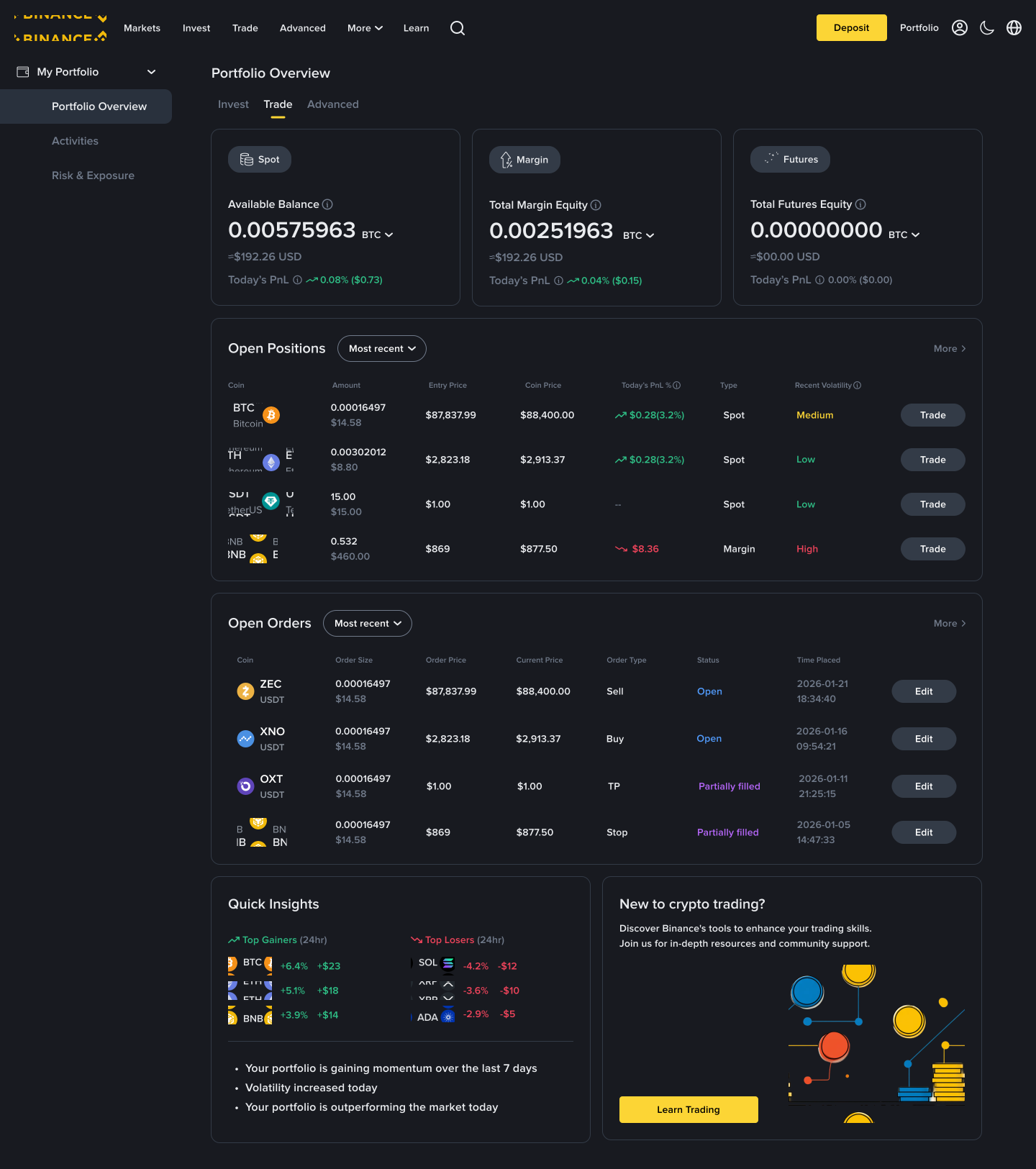
The Second Intent: Trade
Mental model: “What I can use right now.”
At this stage, the focus shifts from ownership to execution, introducing practical trading details while keeping complexity minimal.
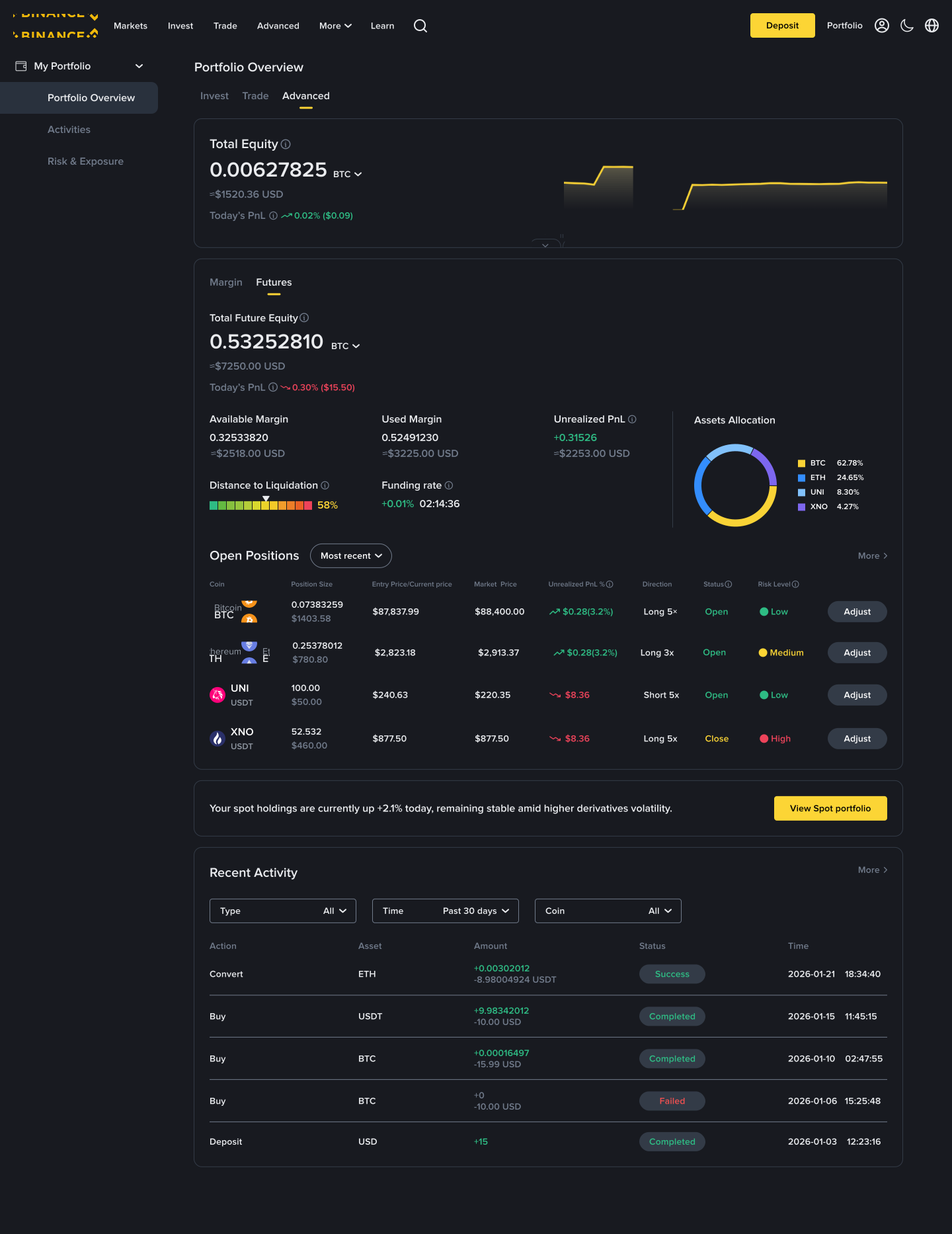
The Third Intent: Advanced
Mental model: “What my account is truly exposed to.”
Advanced mode reveals deeper metrics for leveraged positions and derivatives, emphasizing risk and account-level exposure. Spot holdings are excluded to keep focus, with a CTA to return to the full Spot portfolio.
05 Reflection
Reflection & Next Steps
Binance’s complexity and my limited experience with margin and futures posed validation challenges, but designing for varied expertise highlighted the value of research-driven design. Grounded in user mental models and progressive disclosure, the redesign positions the Portfolio as a foundation for evolving the broader site experience.
Next Steps
- Test with advanced traders: Validate metrics and risk tools.
- Usability across levels: Ensure clarity for all users.
- Expand guidance: Add contextual prompts beyond Portfolio.
- Enhance insights: Include historical performance and risk summaries.